Final Reflection

After an entire semester with many ups and downs and surprises along the way, I would like to look back and reflect upon what I have accomplished this semester. Looking back to my very first post, I had three learning goals for the class:

  1. How to identify the fundamental concepts of language, cultural identity, and intercultural competence.
  2. How to prepare for a study abroad program or job.
  3. How to reflect upon my own cultural identity as well as my attitude toward the cultures of others.

I believe that I reached and surpassed each of these goals through the various projects and assignments throughout the semester.

  • The Capstone Project (Uni Paderborn posts 1,2, and 3) gave me the chance to research and apply for a study abroad/internship program next year, accomplishing goal number two
  • Through the Race Card Project I became more comfortable discussing uncomfortable and Taboo topics. I decided to lead a discussion about white privilege, a topic that I was very nervous about presenting in front of a very diverse group of friends. I was nervous that people would not want to engage in the discussion, but to my surprise they opened up and enjoyed discussing my topic.
    • This was one of the highlights of the semester because I felt like that moment proved how far we had come in our studies of intercultural competence and how comfortable we had grown with each other.

My objectives, as stated in my initial post were as follows:

  • Attend class and follow along with lessons and in/out of class work while investigating themes and topics further on my own.
  • Search for a program in Germany, or possibly a country I have never been to, and interview a professor who teaches the language of the country to find out about what needs to be done to apply, as well as what cultural shocks I may experience.
  • Pay attention to how I view my own culture and heritage and talk to my friends about their cultures while making note of the differences and similarities between the two.

Just as with my learning goals, I believe I achieved everyone of these objectives.

  • I kept up with class and discussed topics outside of the class room with my friends and coworkers, which was one of my favorite parts of the class. I feel like the topics we discused din class were applicable to everyone, not just those in the class, so I liked discussing them with my diverse group of coworkers and friends.
  • I started to look at my culture, as well of that of my peers, differently after the Race Card Project. I think this project is something that more people should know about because of the effect that it had on our class.

Overall, I think that this course should be mandatory for all students at KSU, not just those studying modern language. It was an eye opener for me and many of the other students in the class and we discussed taboo topics that need to be discussed in today’s world.


Uni Paderborn: Phase 3

After submitting my letter of interest  to the German professor in charge of collecting applications, Dr.Smith, I was called in for an interview. This interview was between Dr.Smith, a representative from the Herz foundation, and Dr. Peterson who is another German professor, and me of course. The Joachim Herz foundation is instrumental for the German studies program at Kennesaw. They are dedicated to helping fund students’ trips abroad to Germany and have helped me out in the past with my summer in Germany.

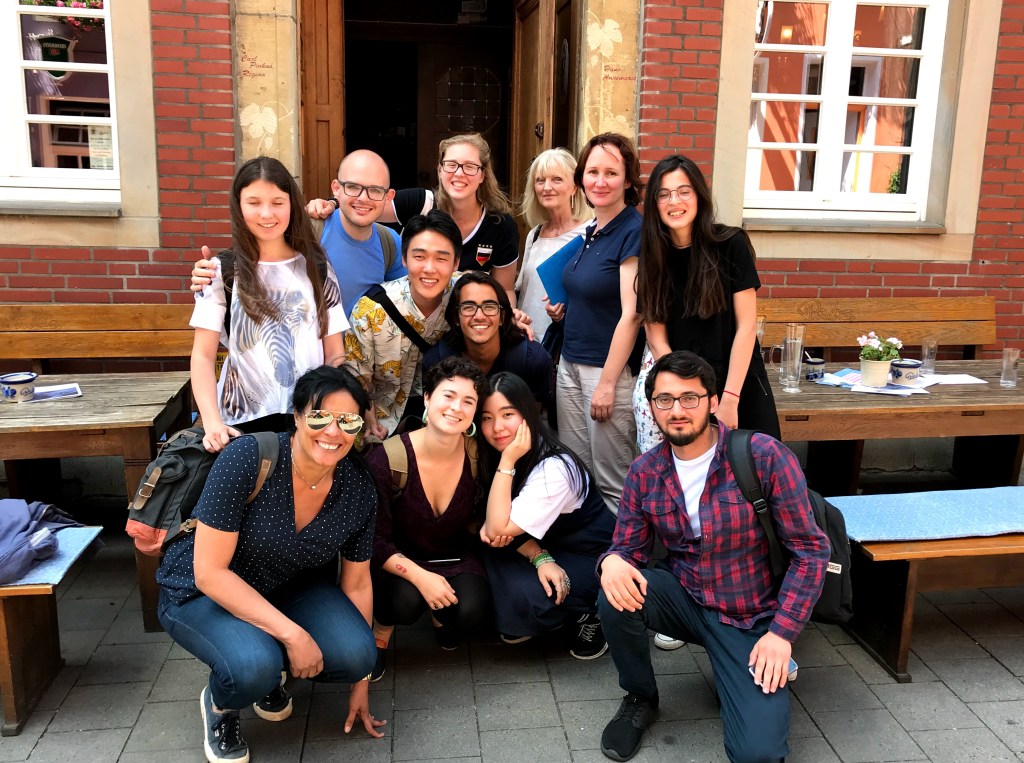
29243946_10211619306022674_2666765565116284928_n
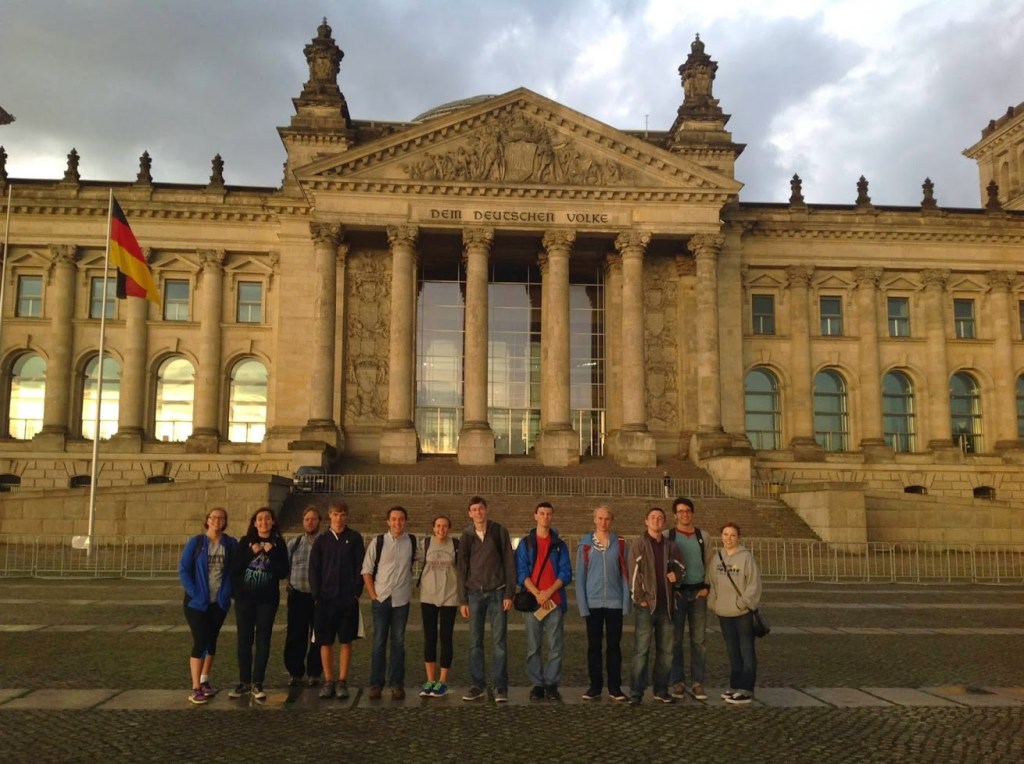
My crazy group of friends and I who were fully funded by Herz on our Maymester trip to Germany

This interview was the first one that I have ever done 100% in German. It was intimidating at first, but I got more comfortable once we got started. They asked me questions that I was not entirely prepared for, but I was surprisingly still able to find the correct vocabulary to properly communicate my answers in German as I would have in English.

The panel of interviewers asked me why I was interested in German and why I have stuck with it for nearly seven years. I explained to them my love for the friends that being a part of various German clubs and classes has brought me. I told them about how I wasn’t exactly a pro in the beginning and was actually close to dropping out of the program in high school, but thanks to great friends that I met on my first trip to Germany, I fell in love with the country and its language.

1422217694637
From my first trip in 2015

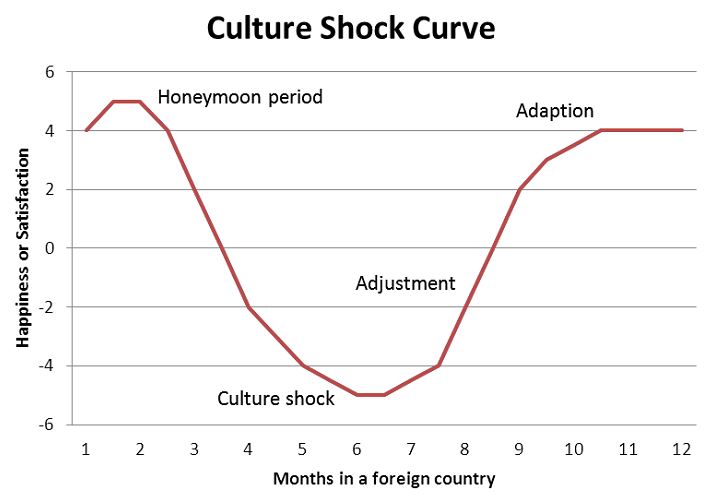
They then posed a question that brought me back to a week last summer where I was feeling depressed and found myself wanting to quit and go back home. They asked what I would do if I found myself in the “pit of despair” during my nearly eight months abroad next year. The pit of despair is the term that the department uses to describe a particular stage of the culture shock graph in which the person becomes very sad and lonely in their new country ( the deep dip labeled culture shock).

CultureShockGraph

Culture shock was one of the things that I highlighted in my initial Paderborn blog post, so it was interesting to me that they would bring it up in our interview. I explained to them not only how I coped with my experience in the summer, but also that I had learned about it in my World Languages and Cultures class. I explained to them that we did an exercise called BaFaBa where we learned about culture shock and how to cope with it and in some cases avoid it.

Overall, I am very impressed with myself and how I performed in this interview. I received the email a few days ago congratulating me on my acceptance to the program. I will be interning with Herz over the summer and attending the University of Paderborn in the fall!

Uni Paderborn: Phase 2

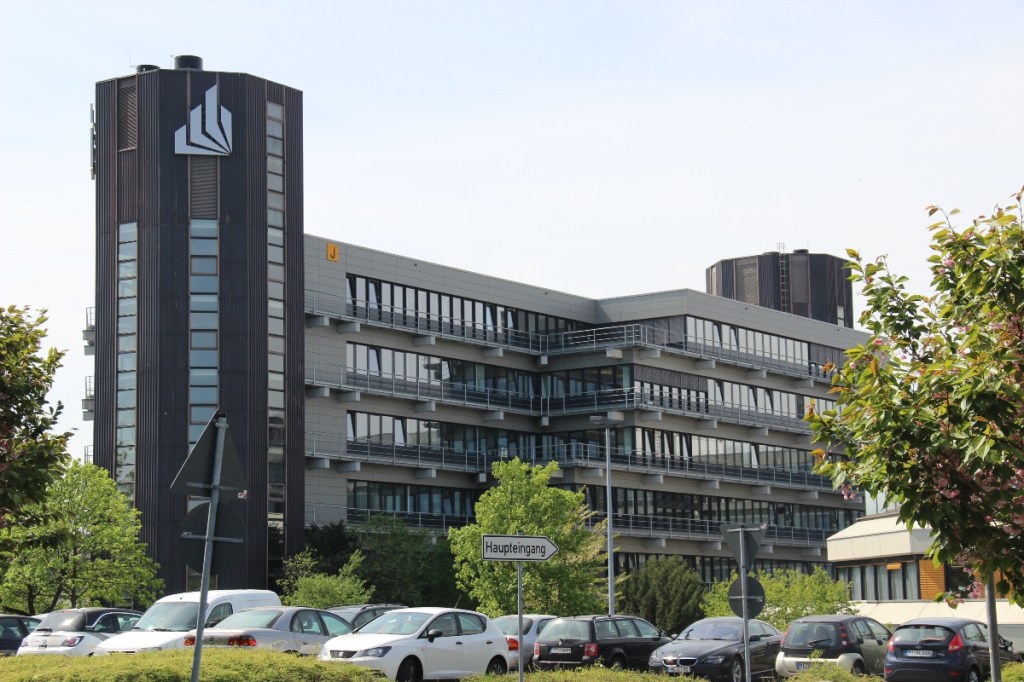
For the second part of my capstone project, I completed my application for my six month study abroad in Paderborn, Germany. Completing the application was relatively easy except for the cover letter explaining what I wanted to do and why.

Universitaet_Paderborn_02

I talked to the study abroad advisory for the trip, Dr. Smith, about what exactly will be expected of me while in Paderborn…

  • I will have assignments every month that need to be submitted online by certain due dates. Since this trip is technically a “self-study”, I will get to chose what types of assignments I submit and what the topics will be. For example, I could write an essay about the difference between the social impact of club sports in Germany and those in America.
  • I will be one of three teaching assistants who are in charge of holding English tutoring sessions and are required to run the “English Club”.
  • One of the most important things that Dr. Smith stressed was that I should be having fun, traveling, and that I should not be stressing about looming due dates and assignments.

59957B4A-267C-4522-BE5A-3AFD50F68FB4

When asked about the possibilities of intercultural interaction while on this trip, Dr.Smith explained to me that they were inevitable and actually required.

  • While attending classes at the University, I will sharing classes with not only Germans, but international students from all over the world.
  • Thirty hours of community engagement are required every semester for the program. This can be something as simple as helping a friend improve their English to having an American themed booth at the local Christmas market.

IMG_3386

Taking part in this program will equip me with intercultural skills that are close to impossible to gain without spending time abroad. Employers tend to favor job candidates who have studied abroad over those who have never left their home town, so this program will give me a leg up on the competition when I begin applying for jobs.


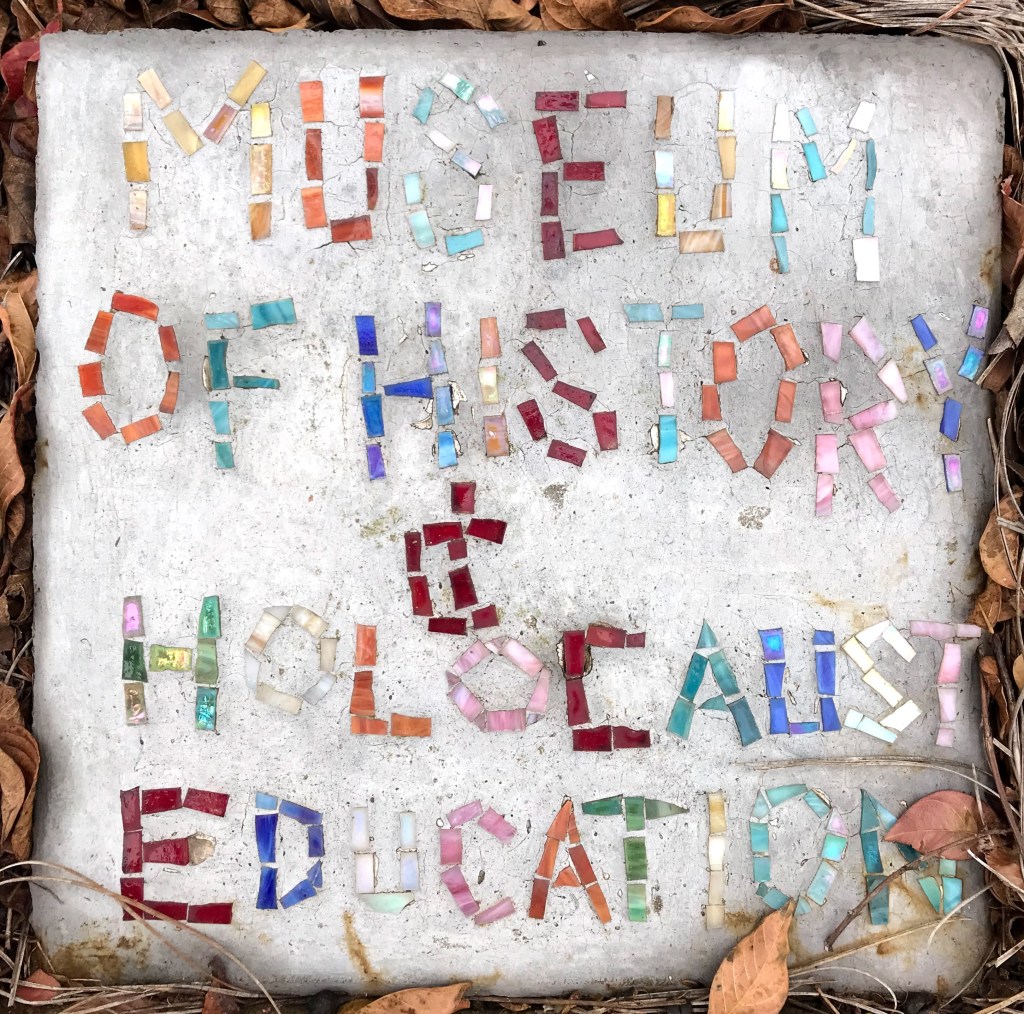
Museum of History and Holocaust Education

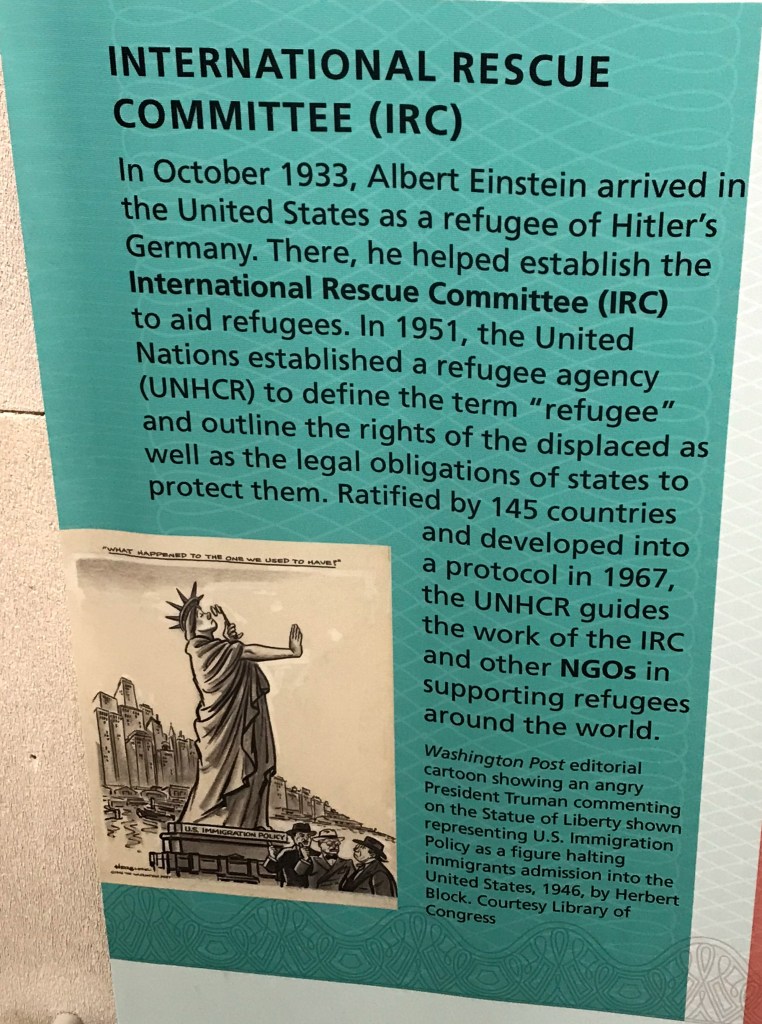
The most interesting part of our trip to the History and Holocaust Museum for me was the Refuge or Refusal installation. This installation covers the turning points in U.S immigration history.

IMG_6547

Naturalization Act of 1790

  • This act codified the process of becoming a U.S citizen for foreign-born individuals. The Naturalization Act limited citizenship to “any alien, being a free white person”, excluding indigenous people, indentured servants, and freed slaves. In order for the person to become a citizen, they must denounce loyalty to their home country. These people would forever be subject to deportation or second-class status.

IMG_6521

Chinese Exclusion Act of 1882

  • In the 1870s when the railroad and mine businesses started crashing, people turned their anger towards Chinese immigrants. The Chinese Exclusion Act ruined any chance for Chinese immigrants to bring their families to the U.S to begin a new life.

Immigration Act of 1924

  • This act affirmed that immigration was something that the federal law was in charge of rather than the state. The 1924 act established a quota, only letting 153,700 people into the country every year. European countries were allotted a higher percentage of this number than non-European countries such as Kenya and Ethiopia.

Displaced Persons Act 1948

  • This act was put in place after WW2 during the refugee crisis. Thousands of people were uprooted by the war and were searching for refuge. After much backlash, the US raised its Quota to only 200,000, excluding many Jews and Catholics who were uprooted by the Nazis.

IMG_6512

Immigration and Nationality Act of 1965

  • Human Rights groups, who were advocating for the more equal treatment of all people, began receiving more attention in the 1960s. The Immigration Act eliminated the quota and set in place a family reunification and work visas system.


I am still curious to hear personal stories of people who were let into the country during the time of intense nationalism. Even though they were let into the country, did they feel accepted and welcome? I am also very curious to visit the Bremen Museum in Atlanta to see the installation that the curator was telling us about.

It is interesting to draw parallels between what I saw at the museum and what is happening in the world around us today. Nationalism, racism, and corruption in the government are just a few problems that I felt were repeating themselves. It is important to visit museums like this, especially as we notice history starting to repeat itself, to remind ourselves that we cannot let our society take a turn for the worse.

IMG_6544


Project Implicit

I took three tests on the Project Implicit and got the following results:

  • I prefer black people rather than white
  • I prefer thin people rather than fat
  • I prefer young people rather than old

Frankly, I don’t know how accurate the tests really were, because the video-game-like method of testing was extremely hard for me to follow along with. However, I did get the main idea of the tests and I see where they were trying to trip me up.

Image result for black v white

Black v. White

This is where I see the major flaw in testing. I had a hard time pressing keys in time and keeping up with the changing rules because if the test were accurate it probably wouldn’t have come up with the result I got. My realizing that the result wasn’t correct was when I had my ah-ha moment in seeing that I do know subconsciously that I am a little racist towards african americans. A way to change this about myself is to stop internalizing stereotypes and believing them when I hear them.

Image result for fat v thin

Thin v. Fat

This test was the most surprising to me – I was surprised by the fact that this was even a test. I had never really thought about people having prejudice towards fat or thin people but it does make sense to me now. I’m surprised at my result because, even though I am in between being fat and being thin, most of the boyfriends I have had could be considered fat. One way I could end this prejudice is to look at somebody’s personality when making judgments about them  rather than their body.

Image result for young v old

Young v. Old

My results on this test didn’t surprise me at all because I know that I am not a big fan of old people. I think this is common with most millennials but I do think that it is disrespectful of us not to honor our elders. One way I could change my behavior about older people is by spending more time with them and learning more about them.

Overall, I found these tests to be fun and they posed interesting questions but the pressing back and forth between “E” and “I” doesn’t seem very accurate to me.


Uni Paderborn: Phase One

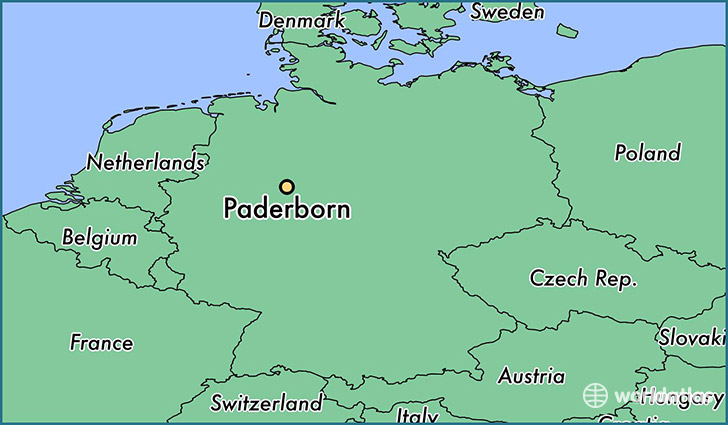
The University of Paderborn is a school located in Paderborn, North Rhein-Westfallen, Germany.

Image result for paderborn germany on mapThe program that I have found is one that my German professors have been promoting since my first day of class and one that several of my close friends have already taken part in. This program allows you to chose between either six months or a year of study at the University of Paderborn with the opportunity to earn a paid internship as a teacher’s assistant. The money you receive as a teacher’s assistant goes towards your costs of living each month. When you add that money with the many scholarship opportunities (Hope, Global Learning, Herz Foundation, German Honors Society), it is a very inexpensive option for study abroad.
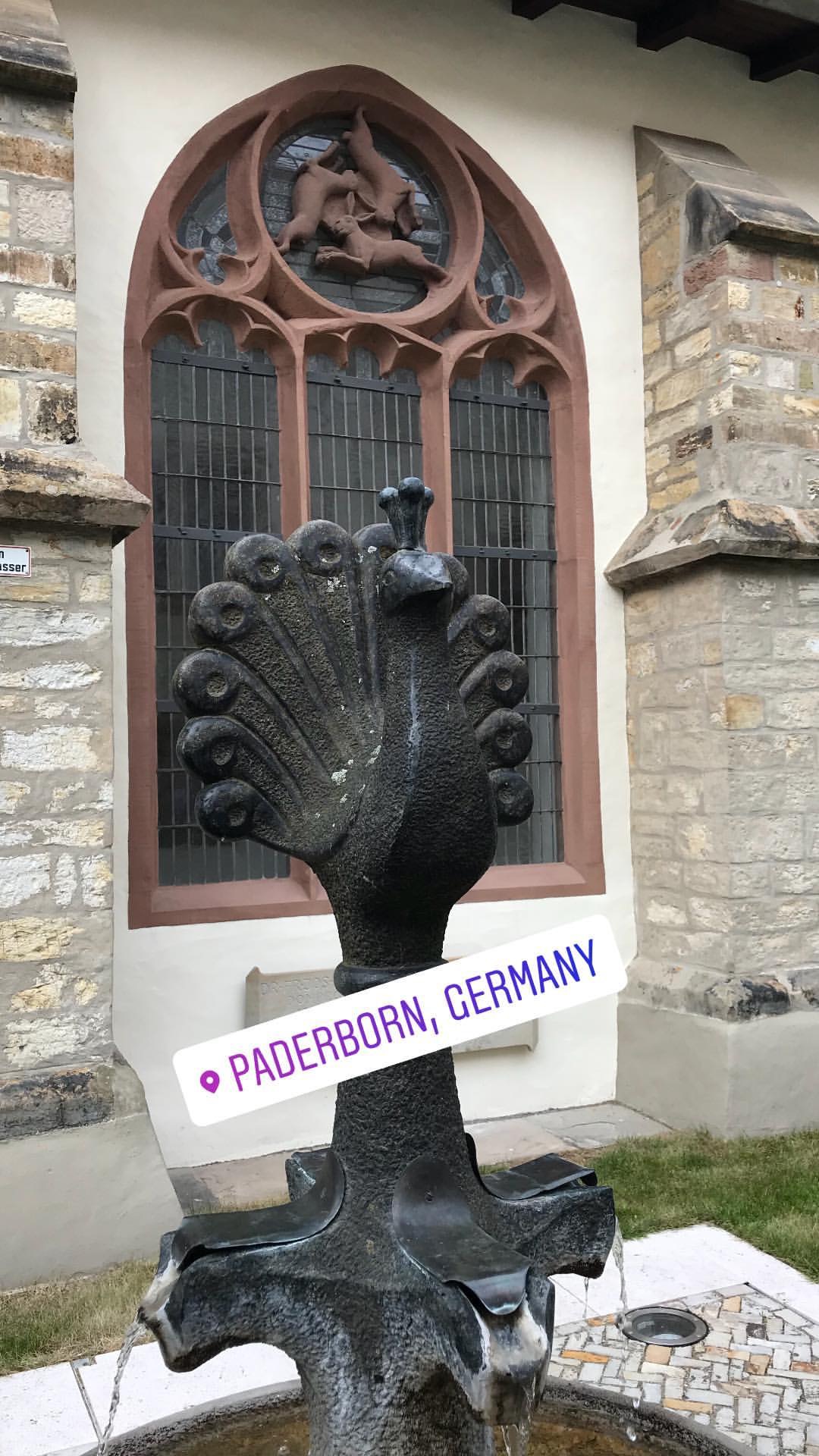
IMG_2411Since I have already visited the college town of Paderborn and have many friends who live there, I already have a pretty good idea of the cultural products, practices, and perspectives one can expect:
  • Religion – Perspective 
    • Paderborn is a traditionally Catholic town and there are just as many elderly people living there as college students and they are very conservative Catholics. It is important to be sensitive to the religion of others, so it is important to know that Paderborn is a very traditionally Catholic area that respects Sundays as rest days and rings church bells every hour. That being said, there are also conflicts between the conservative elderly and the liberal youth.
  • Public Transportation- Practice 
    • Public Transportation is something that excites me about the country of Germany. In Paderborn, it is only the older people who drive cars while the college students bike, walk, and ride the public bus to classes. Figuring out bus schedules or the most efficient walking route could be difficult for many Americans, so this is something to note before traveling to Germany.
  • Gluten Free Aplenty- Product
    • As a person who has lived with Celiac’s all her life, it has always been extremely exhausting to travel while searching for food that won’t make me incredibly sick. Paderborn is a very hip college city who has many gluten free items in its grocery stores and restaurants with gluten free options. For me, this is almost the most important thing about Paderborn and the first thing I research before traveling somewhere new.
IMG_1784
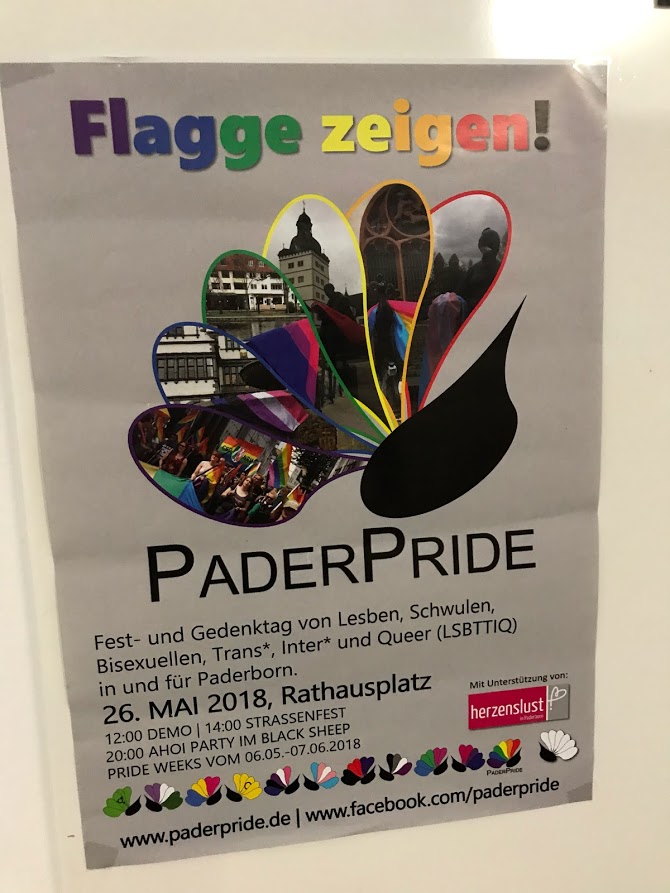
a flyer for the annual pride parade in Paderborn, contradicting the town’s catholic beliefs

Culture Shock is something that I will definitely experience during this 6-12 months in Germany. In our Bafaba activity in class, I realized that culture shock is a real thing and not everybody experiences it in the same way. It can range from being mildly awkward to embarrassing to depressing. Last time I was in a foreign country, for 3 months, I experienced the culture shock curve and became very upset for about a week in the middle of my trip because I was feeling confused and angered by the culture I was being immersed in alone. Through Bafaba, I realized that there will always be compromise in these types of situations and that it is something that will eventually be overcome.

CultureShockGraph

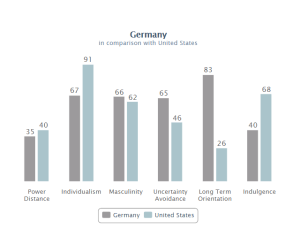
Hofstede’s Model is something that I found really interesting that I had never heard of before. The model is really helpful, especially if you are traveling to a country that you have never learned about. The model even helped me learn things I didn’t know about the country I have been studying for 7+ years.

capture-article-site-300x228

European Symposium

This past Tuesday, I paid a visit to the European Symposium on campus. Unfortunately, I couldn’t get off work to sit in on the panel with the visitor from Oztenhausen, an organization that my German professors mention frequently. I did, however, find the exhibit about World War 2 very interesting.

The exhibit was put on by the Holocaust Museum, which I have visited a couple times. The layout of the information as well as their online information at the symposium was very aesthetically pleasing and informative.

Three Things I learned:

  1. Jewish families could be released from concentration camps if they were distinguished military servicemen.
  2. There were approximate 200 Liberty Ships built in the Savannah Harbor.
  3. Many people who fled Europe during the war ended up in Georgia.

Two Things I Will Examine Further:

  1.  The parallels between how blacks were treated in America and how Jewish people were treated in Europe.
  2. The many camps and forts in Georgia that were used in the war- I didn’t realize how many there were.

One Question I Still Have:

  1. If they were so worried about Japanese-Americans that they put them in internment camps, why would they draft one of them (Jimmy Doi) into the U.S Army?

I enjoyed this exhibit and how it put the war into perspective. I never thought of how many people in Georgia were so greatly impacted by the war. The following quote was one of my favorite parts about the exhibit:


How One Passion Helped To Form Another

Since the age of five or six when my dad started making me mix CDs for my portable CD player, I have been passionate about music. I am constantly reading blogs about music, listening to podcasts about music, and talking about music to my friends and family. While I tend to be drawn to the pop-punk and post-hardcore genre, a vastly different genre is one that had a very strong influence on my life and has arguably helped shape who I am and what my life goals are today.

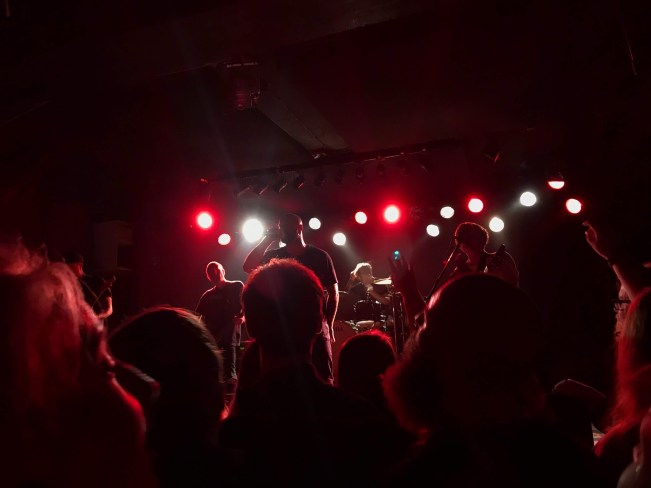
IMG_3479.JPG
a picture I took at a Being As An Ocean (one of my favorite American bands) show in Muenster, Germany

I discovered the German Rap genre in my Freshman year of high school, the first year I began studying the language. It sounded similar to English rap but was somehow so much cooler because it was in my target language. Through listening to various artists in the genre, I quickly developed a vast vocabulary, learned slang terms that teachers would never have taught me, and even connected to a couple (now lifelong) friends with whom I shared my discovery.

Since I discovered the German rap scene, I have been obsessed with finding new artists and discovering their different styles. The first artist I heard is a man that goes by the stage name Cro. What is interesting about this artist is that he performs wearing a panda mask and only posts on social media while wearing the mask.

Image result for cro

The identity of Cro is unknown, which is something I find very interesting. He is a very popular musical artist, yet he can go grocery shopping or out in public without being recognized. There is a running “Ich bin Cro” joke among his fans, meaning that many people claim to be the unmasked rapper (“I am Cro”).

Image result for ich bin cro shirt
Cro has been deemed the king of “Raop”, a mix between rap and pop

One of my favorite songs from Cro off of his third studio album is called “Noch da”, but my absolute favorite song from him is called “Meine Gang” off of his second album but it is very explicit so watch at your own risk.

Through listening to Cro as well as many other artists, I discovered my passion for foreign language, namely German. I have planned much of my life around that passion as far as my hopes, dreams, and future career. I hope to one day be able to meet Cro and explain to him how his music helped me to discover my passion.

Is Sächsisch Sexy?

Although school in Germany is taught in Hochdeutsch (High German), there are roughly thirteen different dialects of the language spoken in the country, not including the German spoken in Austria and parts of Switzerland.  As a student who has studied the linguistic elements of each of these dialects, I still had trouble communicating with the speakers of these dialects when I was studying in Germany.

One of the dialects which has a very heavy stigma surrounding it is Sächsisch. This dialect is one of the “ostmitteldeutsche” dialects and is spoken mostly in the east of Germany- traditionally a poorer area of the country after it got divided up after WW2


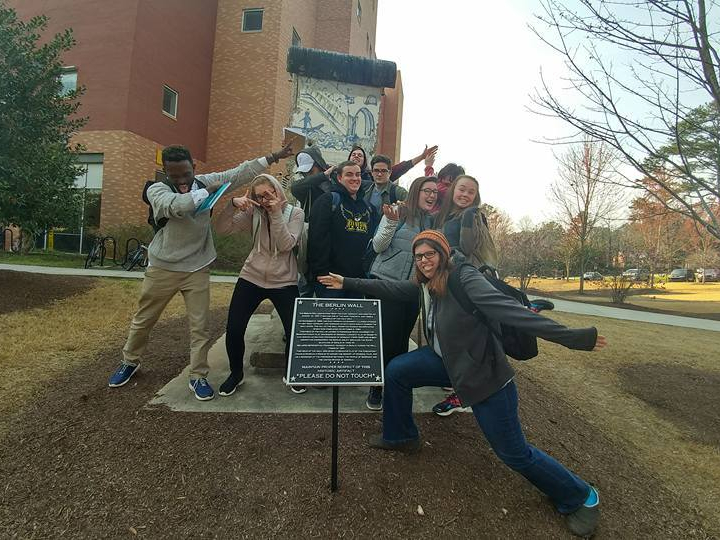
Because the Eastern part of Germany was worse off than the west after the fall of the Berlin Wall, there is a stigma about the people who come from those states, aka “ossies” and speak the eastern dialect.

In this portion of the youtube video “Dialekte in Deutschland: Sächsich Sexy?”  (watch until 3:03) a women tries to flirt with men in two different dialects- one the standard Hochdeutsch and the other the eastern Sächsisch dialect. What makes this portion of the video noteworthy is that the man with whom she is flirting instantly interjects “Oh, you’re an Ossie!” which would actually be mildly offensive to someone who was from the east. He continues to reject her invitation for drinks and, when interviewed afterwards, admits that he would have said yes if it weren’t for her accent.

When asked why he was “turned off” by her accent, he admits that he doesn’t have an explanation and that he just finds it off putting.

3,2,1 analysis of this video:

Three Things Learned:

  1. Language variants have deeper connotations than just what sounds good and what doesn’t.
  2.  Outsiders have established certain connotations around certain dialects that come from poor areas and associate the language variant with an undesirable culture.
  3. This particular dialect sounds the same as hochdeutsch when listened to by a non-German speaker but is vastly different when heard by a speaker, therefore people who do not know that this is an eastern dialect would not have a negative opinion about this dialect

Two Things I’m curious About:

  1. Do other languages (other than German and English) have negative connotations associated with language variants?
  2. How are language variants formed- and why does German have 13 language variants?

Application:

  1. It takes and outsider to point out that this dialect is not that much different from hochdeutsch, so maybe more people should look at this variant ( as well as other cultural differences) from an outsider’s perspective to realize that they are not that different.

I would compare the way Germans, in particular westerners, view this dialect to the way that Americans, in particular northerners, view the southern accent. Eastern Germans were, in the past, poor and uneducated and are still viewed as such based on the way they speak. I would say that the same can be said about why the rest of America has a stigma around the southern accent– they associate it with low education and farm folk.

Have you ever met someone who’s accent, or lack thereof, influenced the way you thought about them? Do you think that people may have a certain idea in their head about you when you speak based on your accent?


Kulturelle Identität

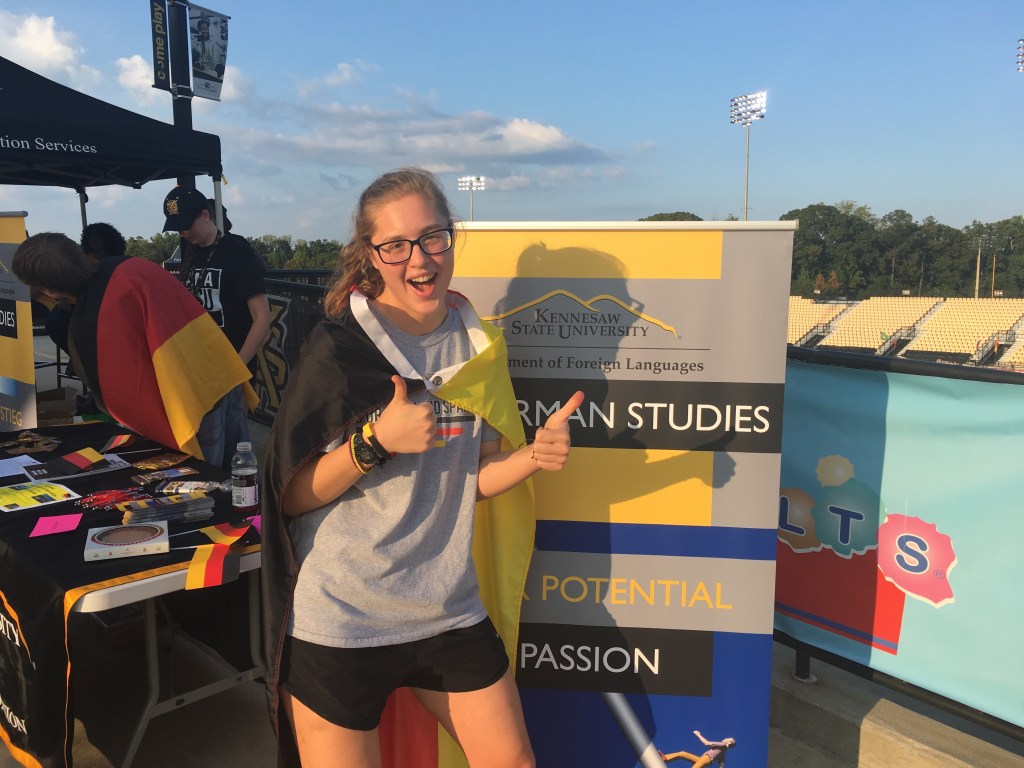
Culturally, I self identify as German-American. My heritage is German with a little bit of Irish but in the past 6 years I have been studying German and becoming more connected to my roots. With a name like mine, Laura Wagner, I am very much linked to my cultural heritage. I have visited the country more than 4 times and I have researched where my grandparents lived and where their parents were from. I have become very passionate about my cultural identity and learning about where my family came from.

IMG_5247

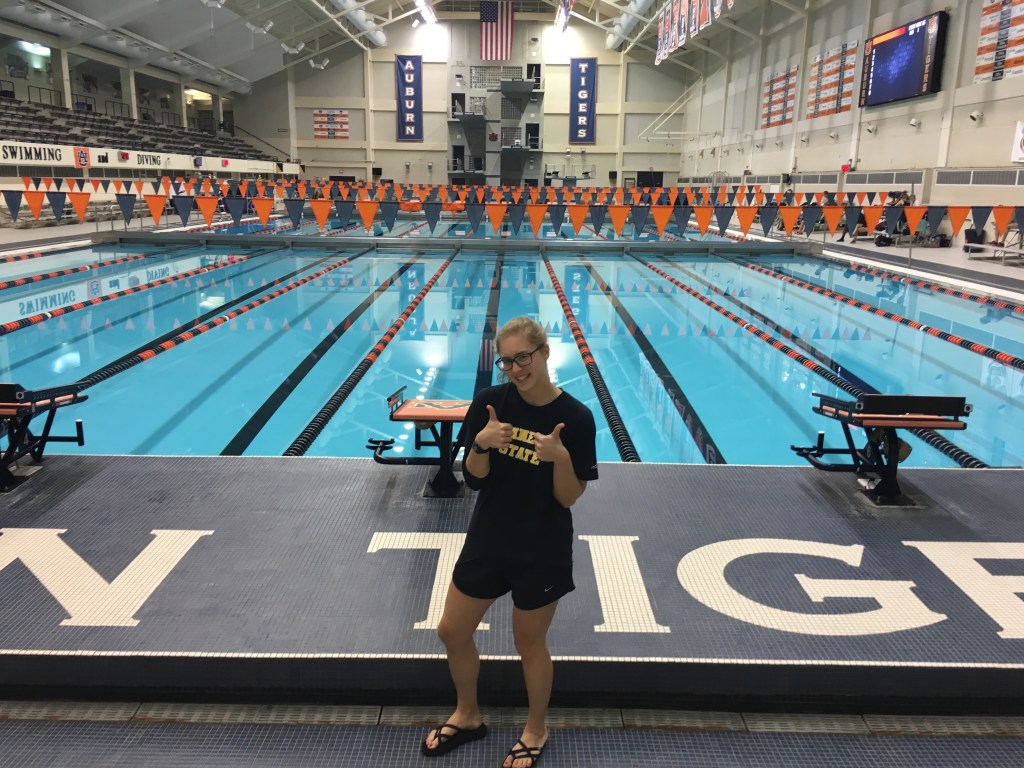
Aside from heritage, I also culturally identify as a swimmer. Identifying with this group has created certain in-groups and out-groups. An example of one of the in-groups I have participated in is the in-group of Sprinters, those who swim short distances fast. We tend to view distance swimmers as an out-group because they train differently and don’t understand why we chose to sprint. Another, broader out-group being a swimmer has created is other athletes. My friends and I tend to view other athletes as an out-group because their cultures around their sports are so much different than the one around swimming.

IMG_5255

Strongly identifying as a German-American and as a swimmer may change the way that I view other cultures and act in my everyday life,  but I still have my own values that have not formed from being a part of those two cultures. My sense of self is not affected too strongly because I do not let myself be fully engulfed by these two cultures and instead hold onto things that I have pulled from multiple other cultures.

My social identity relates relatively strongly to my German culture because most of the friends I have are ones that I have met either in Germany or through learning German.