
The most interesting part of our trip to the History and Holocaust Museum for me was the Refuge or Refusal installation. This installation covers the turning points in U.S immigration history.
Naturalization Act of 1790
- This act codified the process of becoming a U.S citizen for foreign-born individuals. The Naturalization Act limited citizenship to “any alien, being a free white person”, excluding indigenous people, indentured servants, and freed slaves. In order for the person to become a citizen, they must denounce loyalty to their home country. These people would forever be subject to deportation or second-class status.
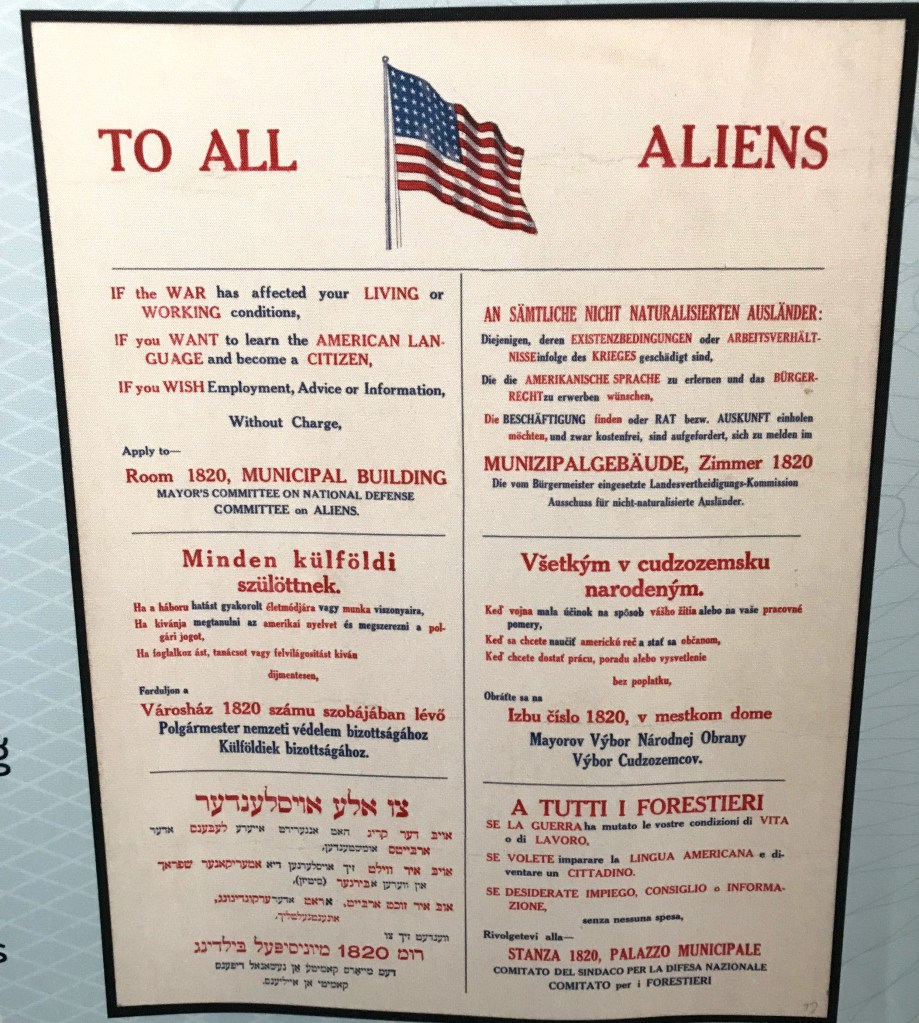
Chinese Exclusion Act of 1882
- In the 1870s when the railroad and mine businesses started crashing, people turned their anger towards Chinese immigrants. The Chinese Exclusion Act ruined any chance for Chinese immigrants to bring their families to the U.S to begin a new life.
Immigration Act of 1924
- This act affirmed that immigration was something that the federal law was in charge of rather than the state. The 1924 act established a quota, only letting 153,700 people into the country every year. European countries were allotted a higher percentage of this number than non-European countries such as Kenya and Ethiopia.
Displaced Persons Act 1948
- This act was put in place after WW2 during the refugee crisis. Thousands of people were uprooted by the war and were searching for refuge. After much backlash, the US raised its Quota to only 200,000, excluding many Jews and Catholics who were uprooted by the Nazis.
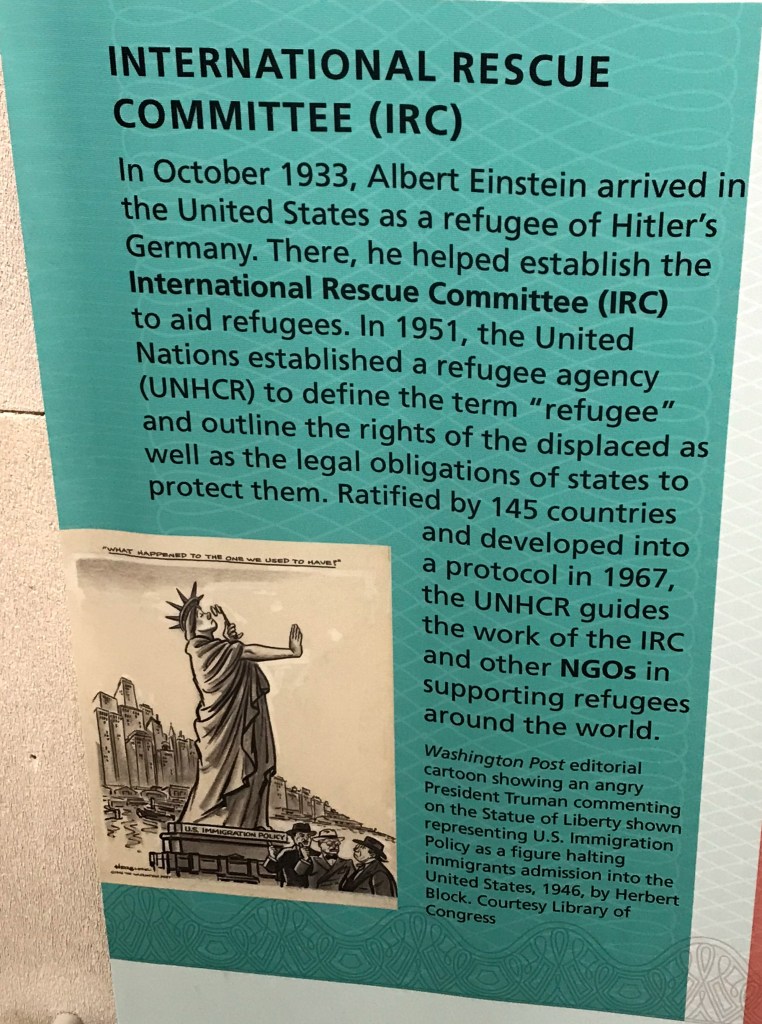
Immigration and Nationality Act of 1965
- Human Rights groups, who were advocating for the more equal treatment of all people, began receiving more attention in the 1960s. The Immigration Act eliminated the quota and set in place a family reunification and work visas system.
I am still curious to hear personal stories of people who were let into the country during the time of intense nationalism. Even though they were let into the country, did they feel accepted and welcome? I am also very curious to visit the Bremen Museum in Atlanta to see the installation that the curator was telling us about.
It is interesting to draw parallels between what I saw at the museum and what is happening in the world around us today. Nationalism, racism, and corruption in the government are just a few problems that I felt were repeating themselves. It is important to visit museums like this, especially as we notice history starting to repeat itself, to remind ourselves that we cannot let our society take a turn for the worse.
 Laura The Explora